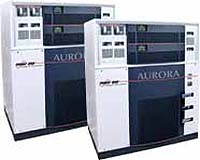
SatCon Technology is a key member of a team of best-in-class clean energy industry leaders recently awarded the Solar Energy Grid Integration Systems (SEGIS) contract by Sandia National Laboratories.
The project, led by the Florida Solar Energy Center (FSEC), is focused on developing the next generation of clean energy technologies required to increase the usage of photovoltaic (PV) systems into the energy network.
The goal of the project is to create efficient and sustainable growth through advances in technology and expanding the usage of solar generated energy, while at the same time improving the power quality and reliability of the overall utility grid.
SEGIS recognizes advanced utility scale solar inverters as the core enabling technology for the growth of large-scale distribution systems. The SEGIS project partners industry leaders who have demonstrated the capacity to define and deliver the future of advanced inverters, controllers, and other balance-of-system components for PV distributed power applications.
"SatCon's history of innovation and proven results made it the ideal candidate to continue the research and development necessary to drive the continued evolution of the electrical grid," said Steve Rhoades, SatCon's President and Chief Executive Officer.
"The SEGIS project highlights the growing importance of advanced utility scale inverters. Future solutions will be designed beyond the scope of traditional net metered and grid connected to improve grid reliability and power quality across large numbers of distributed energy sources. We are honored to be recognized by Sandia as an industry leading innovator."
The next generation solar inverters will include advanced communication interfaces and controls, while improving both efficiency and reliability. They will be able to incorporate energy management functions, advanced utility scale diagnostics and analytics, and the seamless bi-directional power flows that will be required for the wide scale deployment of distributed renewable energy systems.