|
 |
 |
 |
 |
 |
 |
 |
 |

 |
Analysis: Will Iran energy project work?
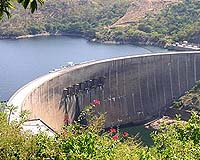
Washington DC (UPI) Apr 04, 2008 Iran has made yet another lofty development pledge to Nicaragua, this time in the form of a $230 million hydroelectric dam for the poor and oft-energy-short Central American nation. However, some speculate that the more than $500 million in projects promised by Tehran over the last 18 months is unlikely to come to fruition. The dam slated for development in Nicaragua's northern Jinotega province will reportedly be built by a state-owned Iranian company. Both the region and the rest of Nicaragua have suffered widespread electricity shortages in recent years, though some of the shortfalls have been mended with the help of deeply discounted oil imports from petroleum-rich regional ally Venezuela. "The construction will commence once both sides reach an agreement on a series of factors that must be studied further," Nicaraguan Energy Minister Emilio Rappaccioli said last month. Last month's dam announcement came just days after U.S. Ambassador to Nicaragua Paul Trivelli warned Nicaragua about forging close ties with Iran. At the same time the ambassador also noted that ties between Washington and Managua were strong, despite the occasional anti-U.S. rhetoric by Nicaraguan President Daniel Ortega. Iran's latest development enterprise for Nicaragua follows its 2007 commitment to build a deepwater port on the vastly underdeveloped Caribbean coast, a project with a reported price tag of $350 million. But so far there is no indication that the seaport project has commenced, a notion that prompts skepticism among some Latin America experts. "With all these figures you always have to be a bit skeptical," said Larry Birns, director of the Council on Hemispheric Affairs in Washington. "The difference between pledging a donation and check in the bank is a very significant one." The deals struck between Managua and Tehran are not unlike those between Iran and close regional ally Venezuela, led by Ortega's fellow leftist leader and confidant, President Hugo Chavez. In turn, Ortega often echoes Chavez's anti-U.S. rhetoric when it comes to Washington's policy in the region. Last year Chavez and Iranian President Mahmoud Ahmadinejad inked a $4 billion deal to develop a block of the lucrative Orinoco Reserve in Venezuela. At the time (July 2007), officials with the Venezuelan Energy Ministry said Iranian-funded production at the Ayacucho 7 block -- believed to hold more than 30 billion barrels of oil, making it one of the largest in the country -- should begin in two years. Since that initial agreement there has been little or no real movement on bringing the Iranian-Venezuelan project online, making the prospect of a viable Iran-Nicaragua alliance seem all the more unlikely. "The fact is that in the international donor picture there is a notorious evaporation rate," Birns told United Press International. But recent visits to Nicaragua by Ahmadinejad, as well as pledges by Tehran to build a port and dam there, have not gone unnoticed by the Bush administration. Iran is also reportedly planning to build one of its largest embassies in Managua. "So far it's a lot of talk though," Jim Roberts, a research fellow focusing on Latin American economies at the Heritage Foundation in Washington, said when referring to Iran's supposed commitment to build a seaport and other projects discussed during Ahmadinejad's visit to Nicaragua. "It's nothing to push the panic button for now, but it's worth watching." (e-mail: [email protected]) Related Links Powering The World in the 21st Century at Energy-Daily.com
 Gasoline Prices Hit Records 17 States Of The USA
 Santa Monica CA (SPX) Apr 01, 2008
Gasoline pumps prices rose to yet another record today and over the weekend, both nationally and in at least 17 states. This unprecedented rise so early in the year signals more energy inflation and deeper consumer pain later in the spring, said Consumer Watchdog (formerly the Foundation for Taxpayer and Consumer Rights). |
|
|

| The content herein, unless otherwise known to be public domain, are Copyright Space.TV Corporation. AFP and UPI Wire Stories are copyright Agence France-Presse and United Press International. ESA Portal Reports are copyright European Space Agency. All NASA sourced material is public domain. Additional copyrights may apply in whole or part to other bona fide parties. Advertising does not imply endorsement, agreement or approval of any opinions, statements or information provided by Space.TV Corp on any Web page published or hosted by Space.TV Corp. Privacy Statement |