 |
 |
 |
 |
 |
 |
 |
 |
 |

 |
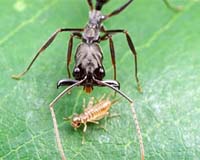
Tropical insects risk extinction with global warming: study
Washington (AFP) May 5, 2008 Global warming could pose a greater risk to tropical insects and other species sensitive to the slightest shifts in temperature than to creatures living in the world's tundra, US scientists warned Monday. While cold weather animals are used to huge temperature changes, tropical species live under a much smaller temperature range and face a bigger risk of extinction with an increase of just two or four degrees Celsius, according to a team led by University of Washington scientists. "In the tropics many species appear to be living at or near their thermal optimum, a temperature that lets them thrive," said Joshua Tewksbury, an assistant professor of biology at the Seattle, Washington university. "But once temperature gets above the thermal optimum, fitness levels most likely decline quickly and there may not be much they can do about it," he said. For their research, published in the May 6 edition of the Proceedings of the National Academy of Sciences, the scientists examined daily and monthly global temperatures from 1950 to 2000. They added climate model projections for warming in the first years of the 21st century drawn up by a United Nations group of international scientists, the Intergovernmental Panel on Climate Change. The university researchers then compared the information with data describing the link between temperature and fitness for 38 temperate and tropical insects as well as cold-blooded animals such as frogs, lizards and turtles. While polar bears can develop thicker fur to shield them from freezing temperatures, tropical species must use other tactics to protect themselves from higher temperatures such as staying out of direct sunlight or burrowing into the soil. But hiding from the sun could prove useless to tropical animals already living so close to their temperature comfort zone as the warmer weather could come too fast for their physiologies to adapt, the scientists said. "Many tropical species can only tolerate a narrow range of temperatures because the climate they experience is pretty constant throughout the year," said Curtis Deutsch, an assistant professor of atmospheric and oceanic sciences at the University of California, Los Angeles. "Our calculations show that they will be harmed by rising temperatures more than would species in cold climates," he said. "Unfortunately, the tropics also hold the large majority of species on the planet," said Deutsch, a co-author of the study who was a University of Washington postdoctoral researcher in oceanography. Related Links Darwin Today At TerraDaily.com
 Asian vultures may face extinction in India, study warns
 New Delhi (AFP) May 4, 2008
Asian vultures may face extinction in India unless a farm drug responsible for their large-scale decimation is banned outright, according to a report Sunday citing researchers. |
|
|

| The content herein, unless otherwise known to be public domain, are Copyright Space.TV Corporation. AFP and UPI Wire Stories are copyright Agence France-Presse and United Press International. ESA Portal Reports are copyright European Space Agency. All NASA sourced material is public domain. Additional copyrights may apply in whole or part to other bona fide parties. Advertising does not imply endorsement, agreement or approval of any opinions, statements or information provided by Space.TV Corp on any Web page published or hosted by Space.TV Corp. Privacy Statement |